Dry Needling & Electro Dry Needling in Brighton
Targeted treatment for muscular tension, trigger points, pain and restricted movement
Dry needling is a targeted treatment technique that uses very fine, sterile needles to stimulate areas of tight, sensitive or overloaded muscle.
It can be particularly useful when a muscle feels persistently tight, painful or difficult to release with massage alone, and can form part of treatment for a wide range of muscular and sports-related problems — not just neck and shoulder tension.
At Full Circle Body Therapy, I offer both traditional dry needling and electro dry needling, depending on your assessment and what is most appropriate for your symptoms.
Dry needling does not need to be booked as a separate treatment. It can be incorporated into any of the treatment services I offer, where appropriate, alongside massage, soft-tissue techniques, trigger-point work, myofascial treatment, movement advice and rehabilitation.
Simply book your usual treatment and let me know if you are interested in dry needling.
What is Dry Needling & Electro Dry Needling?
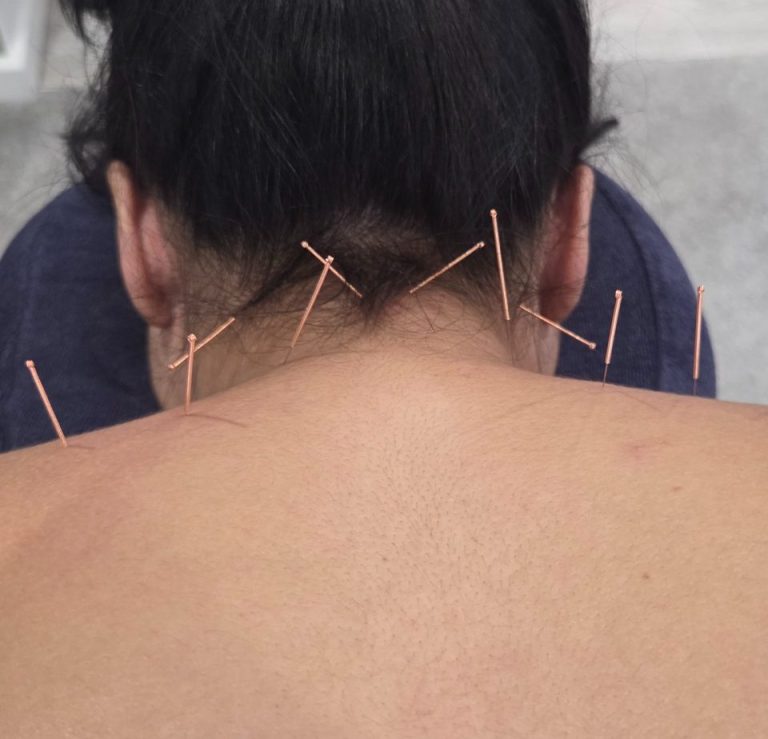
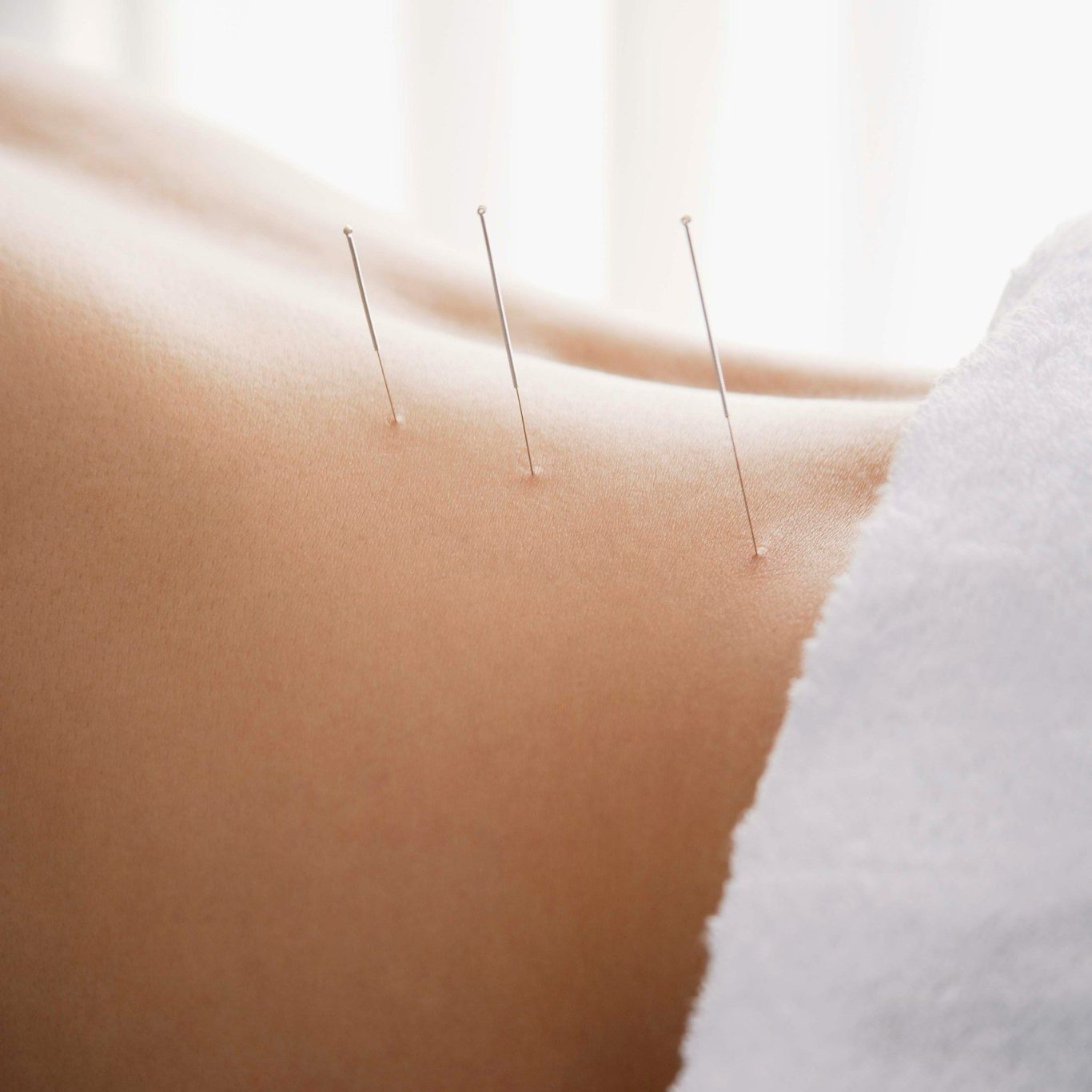
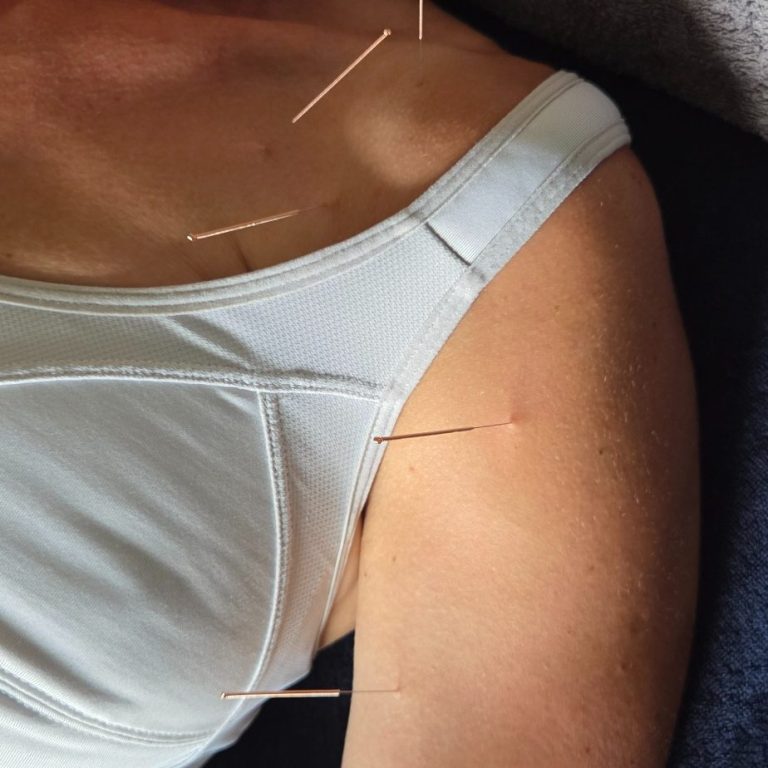
Dry needling uses very fine, sterile needles to target tight, painful or overloaded muscles and sensitive trigger points. The needles provide a precise stimulus to the muscle and nervous system, which is thought to help reduce pain sensitivity, alter local muscle activity and improve the way the nervous system processes pain. Research supports a short-term pain-relieving effect for a range of musculoskeletal conditions, although the response varies between individuals.
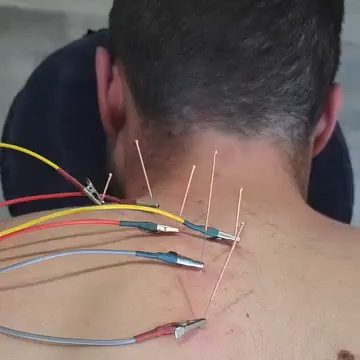
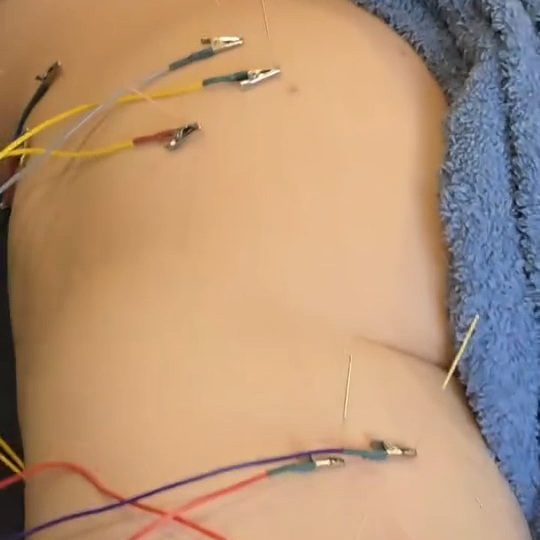
Electro dry needling uses the same technique, with a gentle electrical current passed between selected needles. This creates a controlled, rhythmic stimulation of the treated muscles and nerves and may provide a stronger or more sustained neuromuscular stimulus. It can be particularly useful for persistent muscular pain, larger muscle groups or sports-related muscle overload. Studies suggest electro dry needling can improve pain and disability in some musculoskeletal conditions, although it has not been shown to be superior in every case.
Both techniques can be used on their own or alongside massage, soft-tissue treatment and rehabilitation as part of your treatment session.
Why might I use dry needling or electro dry needling?
Both techniques can be useful when muscles are painful, tight, overloaded or contributing to restricted movement. Dry needling provides a precise mechanical stimulus to sensitive muscle tissue and trigger points, while electro dry needling adds gentle electrical stimulation to create a more sustained neuromuscular effect.
They may be used to help:
- Reduce muscular pain and sensitivity
- Settle persistent trigger points
- Ease muscle tension and guarding
- Improve comfort with movement
- Support recovery from sports-related muscular overload
- Complement massage, soft-tissue treatment and rehabilitation
The choice between dry needling and electro dry needling depends on your assessment, the area being treated and how your symptoms respond.
Frequently Asked Questions
Does dry needling hurt?
Most people tolerate it very well.
The initial needle insertion may hardly be noticeable. If a sensitive area of muscle is stimulated, you may experience a brief twitch, deep ache or cramping sensation.
The sensation usually disappears quickly once the needle is removed.
Is dry needling the same as acupuncture?
No.
Both treatments use very fine needles, but their clinical reasoning and treatment approaches are different.
Dry needling is generally based on assessment of the musculoskeletal system and targets muscles and other relevant tissues associated with your symptoms.
What is electro dry needling?
Electro dry needling involves connecting selected dry-needling needles to a specialist electrical stimulation unit.
A gentle current passes between the needles, producing rhythmic stimulation of the targeted area.
The intensity is controlled throughout treatment and adjusted according to your comfort.
Is electro dry needling better than normal dry needling?
Not necessarily.
Research into electrical dry needling is promising, but there is currently insufficient evidence to say that it is superior for every condition. [3]
I choose between conventional and electro dry needling according to your assessment and treatment goals.
Is dry needling only for the neck and shoulders?
No.
Dry needling can be used on appropriate muscles throughout the body, including the back, hips, glutes, thighs, calves, lower legs, shoulders and forearms.
It can therefore be useful for a variety of muscular and sports-related presentations.
Do I need to book dry needling separately?
No.
Dry needling and electro dry needling can be incorporated into any of my treatment services where appropriate.
Book your usual treatment and mention that you are interested in dry needling.
How many sessions will I need?
There is no fixed number.
Some people notice a change after one treatment, while others may benefit from several sessions as part of a wider rehabilitation or treatment programme.
Your response to treatment will guide what happens next.
Are there side effects?
Mild temporary soreness around the treated muscle is relatively common.
Occasionally there may also be a small amount of bruising or bleeding at a needle site.
More significant complications are uncommon when dry needling is appropriately performed, but as with any invasive treatment, there are risks. These will be considered as part of your assessment and explained where relevant.
Can everyone have dry needling?
No. There are circumstances where dry needling may not be appropriate or where additional precautions are required.
Your medical history, medication, pregnancy where relevant, skin condition, ability to consent and other factors will be considered before treatment.
If dry needling is not suitable, we can use other treatment options instead.